
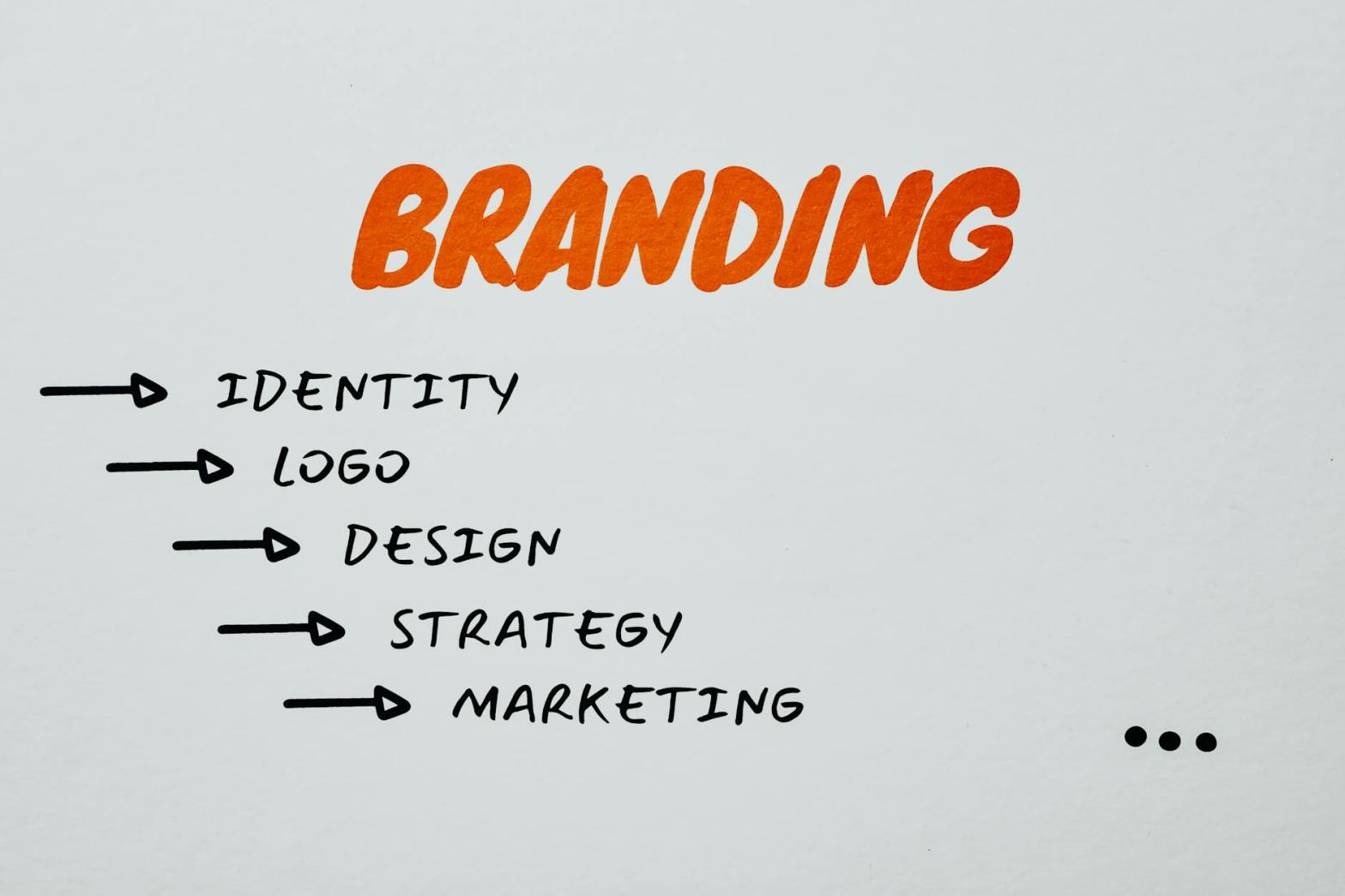
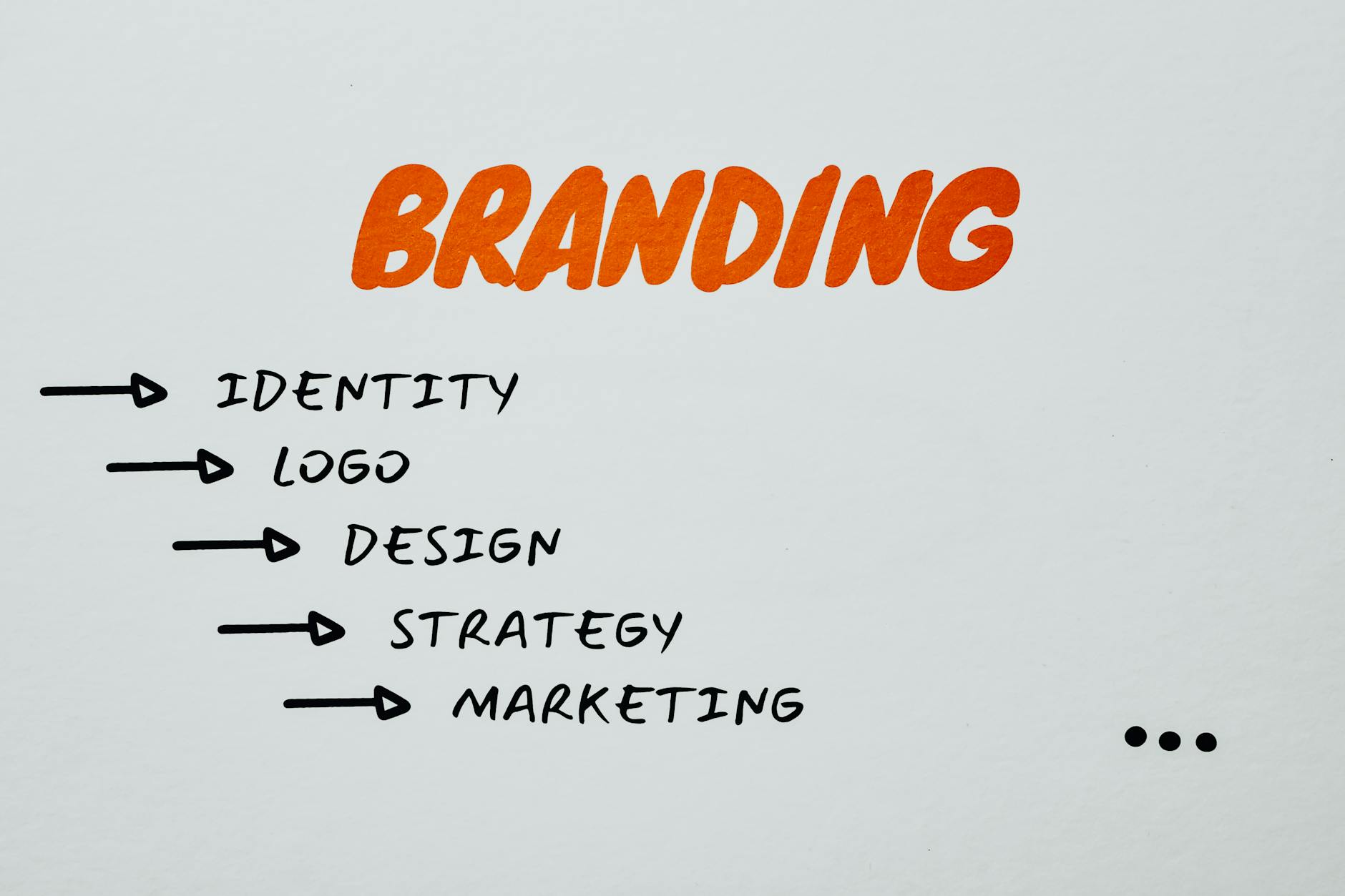
Branding is more than just a catchy logo or a clever tagline. It’s the soul of a business – the essence that shapes how consumers perceive it, influences their buying decisions and drives long-term growth. In an era where conscious buying is on the rise, branding has evolved from being a mere visual identity to becoming a powerful tool for storytelling and connection.
Branding and Consumer Perception
Branding significantly impacts how consumers perceive a business. A well-crafted brand identity can convey trustworthiness, innovation, and values that align with the target audience. Take Patagonia, for instance – a brand that has become synonymous with environmental activism. Through consistent messaging, sustainable practices and advocacy for climate action, Patagonia has cultivated a loyal customer base that identifies with its mission. It’s not just about selling outdoor gear; it’s about standing up for the planet. This level of brand authenticity deeply resonates with conscious buyers who make decisions based on more than just price or product quality.
Branding and Decision-Making
Today’s consumers are increasingly mindful of where they spend their money. They want brands that share their values and support causes they care about. This shift has made branding more strategic, focusing on transparency and purpose-driven narratives. Brands that fail to communicate their mission often lose relevance in the eyes of conscious consumers. For example, when Burberry faced backlash over destroying unsold goods, their brand image took a hit, prompting them to adopt more sustainable practices. This transformation allowed Burberry to rebuild trust and align with evolving consumer expectations.
Branding and Business Growth
Successful branding not only attracts customers but also drives sustainable business growth. By building a strong emotional connection, brands can transform occasional buyers into loyal advocates. Take Dove’s Real Beauty campaign – by promoting body positivity and challenging beauty standards, Dove didn’t just boost sales; it built a movement. This approach fostered brand loyalty and made Dove synonymous with authenticity and self-acceptance.
Key Takeaways for Building a Powerful Brand
- Stay True to Your Values: Authenticity builds long-term loyalty.
- Tell Compelling Stories: Make your brand narrative relatable and purposeful.
- Adapt and Evolve: Consumer expectations change—your brand should too.
- Engage and Listen: Building a brand community requires open dialogue and genuine interaction.
Final Thoughts
Branding is far more than just aesthetics – it’s the emotional bridge between a business and its audience. To capture the conscious buyer’s attention, brands must demonstrate their commitment to their values, purpose and impact in the communities they operate in. Whether it’s through sustainable initiatives or community engagement, the key lies in building a brand that feels authentic and relevant. The real power of branding lies not just in looking good but in meaning something significant to those who matter most – your customers.
 AWL Connoisseur Group